
O₂ Resort Private stay in Valle de Guadalupe.
An eco resort does not have to feel like a compromise. The outdated image of sustainability as a trade off has been replaced by something better. The best eco resort properties prove that thoughtful design, local sourcing, and a close relationship with the land deliver an experience that feels more luxurious, not less.
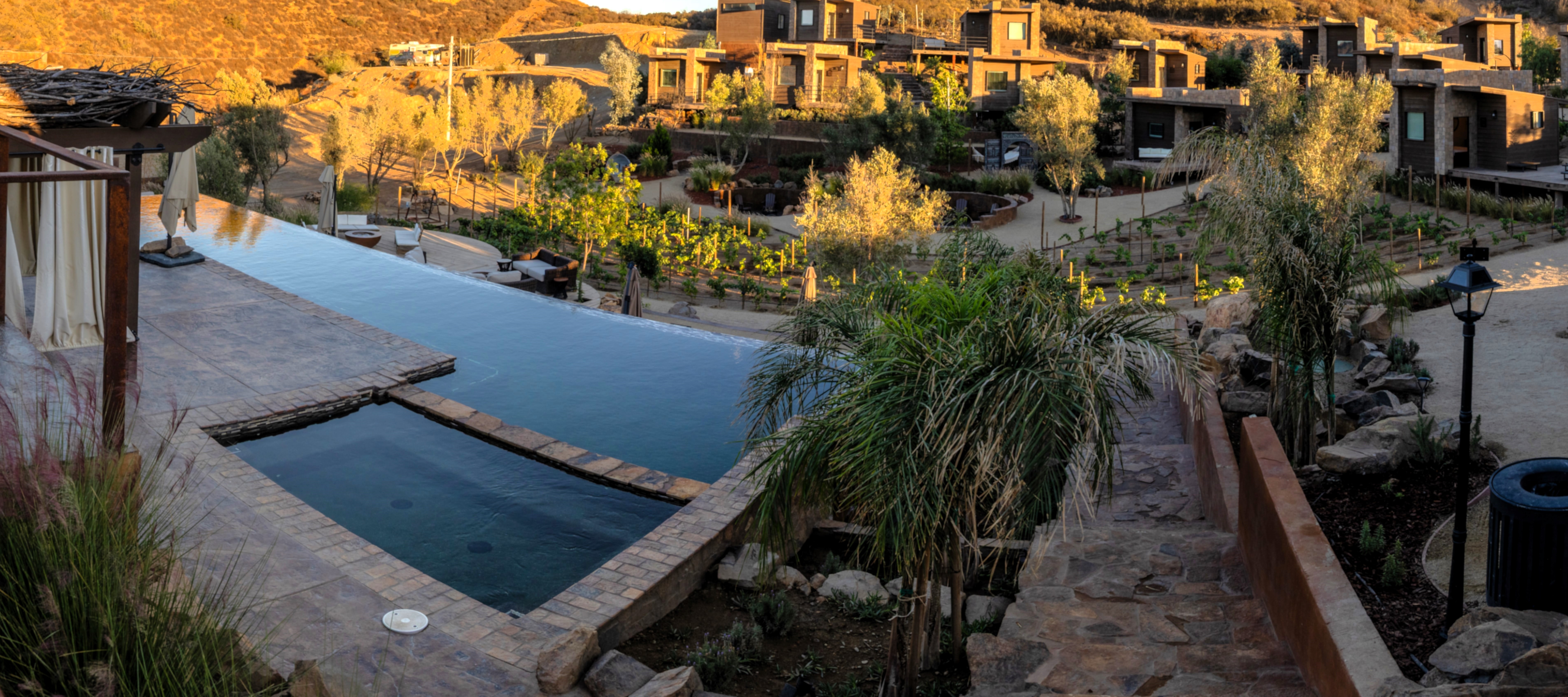
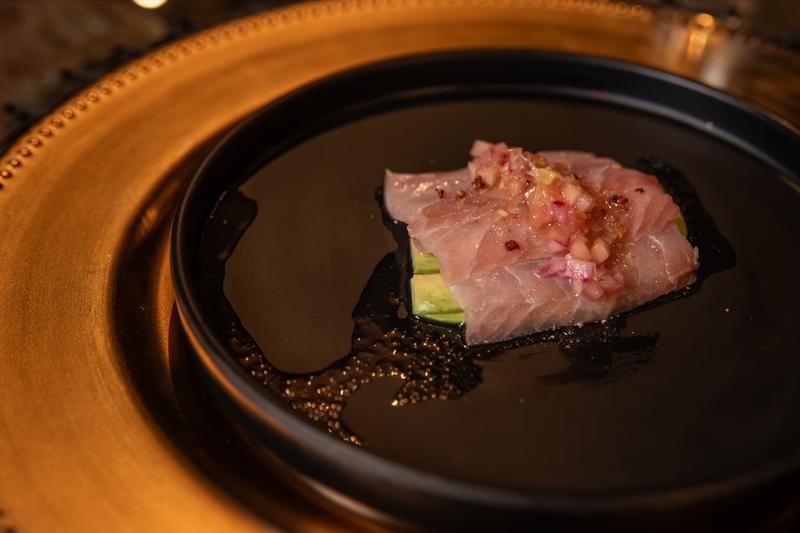
When a property works with its environment instead of against it, everything improves. The food tastes more connected. The setting feels more alive. And the quiet of small scale hospitality creates peace that massive resorts cannot touch. Valle de Guadalupe in Baja California is a natural home for this kind of property. The valley's identity is built on agriculture, winemaking, and connection to the land. The restaurants source locally because the farms are next door. The wineries grow grapes in soil you can see from your table. An eco resort here does not need to manufacture a sustainability story. It inherits one from the valley. The term gets used loosely, so it is worth defining what separates an eco resort from a conventional hotel with a recycling program. Scale is the foundation. Large resorts consume enormous resources. Water, energy, food waste, and landscaping all multiply with guest count. A smaller property keeps its footprint low. Fewer guests means less strain on the land, more space per person, and a closer connection to natural surroundings. Design plays a role too. The property integrates with the landscape rather than bulldozing it. Architecture works with the terrain. Grounds preserve native plants. Outdoor spaces take advantage of natural light and airflow rather than relying on artificial climate control. Sourcing closes the loop. Food from nearby farms. Wine from neighboring vineyards. Materials and labor from the local community. When a property draws from its surroundings, transportation costs drop and economic benefit stays close to home. That relationship between the resort and the region it occupies is what gives an eco resort its integrity. The valley's geography and culture give it a built in advantage for eco resort hospitality. The region runs on agriculture. Vineyards, olive groves, vegetable farms, and livestock share the same narrow valley. The food supply chain is measured in minutes, not miles. This proximity changes dining. Ingredients are often harvested the same day they reach your plate. Chefs cook with what is available, menus are seasonal, and waste is lower. Open fire cooking uses wood as fuel and produces food with a depth that electric kitchens struggle to match. The climate supports sustainability too. Warm, dry conditions mean properties can design around outdoor living rather than energy intensive climate control. Abundant sunshine, clean air, and cool evenings make mechanical heating and cooling less necessary. Water is the one resource the region manages carefully. Baja California is arid, and responsible use is part of the culture. Properties with an eco resort mindset treat conservation as practical reality, not marketing. O2 Resort Valle de Guadalupe fits the eco resort model through scale, sourcing, and its relationship with the landscape. Learn more at o2resortvalledeguadalupe.com. The 22 cabin footprint is the starting point. A small property means fewer resources consumed and more land left undisturbed. The grounds complement the natural terrain rather than replace it. Walking through the property feels like moving through the valley, not away from it. The on site restaurant operates on local sourcing principles. Fresh seafood from the Pacific coast. Grilled meats and seasonal vegetables from regional producers. Wines from Valle de Guadalupe vineyards. Proximity between source and plate keeps the environmental cost of every meal low. Explore the setting through the resort gallery.What Makes an Eco Resort Different
Valle de Guadalupe's Natural Advantage
O2 Resort's Approach to Eco Friendly Hospitality
Luxury Without the Footprint
One of the biggest misconceptions about eco resort travel is that sustainability requires sacrifice. The reality at O2 Resort is the opposite. The cabins are comfortable and private. King and Queen suite options provide the space and quality luxury travelers expect. The pool, swim up bar, jacuzzi, fire pits, and hammocks deliver resort level relaxation through thoughtful placement and design rather than energy consumption. Check layouts through the resort accommodations page. The spa offers treatments that rival any conventional resort. The restaurant competes with the best in the valley. The difference is that this happens within a framework that respects the environment. The luxury is defined by the eco resort approach, not diminished by it. This is the shift modern sustainable properties represent. Sustainability is not a limitation. It is a design principle that produces better experiences. The food is fresher because it is local. The setting is more beautiful because it is preserved. The atmosphere is more peaceful because the scale is human. The appeal spans a wide range of travelers who share a preference for quality over excess. Couples find that low guest count, quiet grounds, and outdoor dining create romance without waste. The experience feels indulgent because it is carefully designed, not because resources were poured into it. An eco resort stay together becomes a shared value statement as much as a vacation. Professionals and solo travelers appreciate the intention behind the stay. Knowing your trip supports local food systems and low impact hospitality adds satisfaction that a generic resort cannot provide. Small groups use the property as a shared escape reflecting collective priorities. The fire pits, pool, and restaurant become gathering points, and the boutique scale means the group enjoys the property without crowding it. Explore amenities through the resort amenities page. An eco resort stay in Valle de Guadalupe extends naturally into the surrounding valley. The wineries, restaurants, and farms all operate on similar principles of local production and connection to the land. Visiting a winery is not just a tasting experience. It is a window into small scale agriculture. Vineyards are tended by families who have worked the land for generations. The wines reflect specific soil, weather, and choices made in harmony with the terrain. Supporting these producers by visiting and purchasing is itself an act of sustainable travel that connects your trip directly to the land. The same applies to dining beyond the resort. The valley's restaurant scene is built on chefs who source locally and cook over open fire. Every meal reinforces the same values that drew you to an eco resort in the first place. Learn more about the property in the about section. The property operates on eco resort principles through its boutique scale, local sourcing, landscape integration, and outdoor focused design. With only 22 cabins, the environmental footprint stays low while the guest experience stays high. These practices reflect a commitment to low impact hospitality. The on site restaurant sources ingredients from regional farms, the nearby Pacific coast, and Valle de Guadalupe vineyards. Short supply chains, seasonal menus, and open fire cooking reduce the environmental cost of every meal while delivering fresh, high quality food. Valle de Guadalupe's agricultural identity, warm climate, and local food culture create natural conditions for sustainable hospitality. The valley's short supply chains and outdoor living climate reduce the resource demands that conventional resort destinations require. Yes. Many of the valley's wineries operate as small, family run vineyards using traditional farming methods. Visiting and purchasing from these producers supports the local agricultural economy and connects your trip to the land. Not at all. O2 Resort offers private cabins, a pool with swim up bar, spa treatments, a jacuzzi, fire pits, and a full service restaurant. The eco resort approach enhances rather than limits the guest experience by prioritizing design, quality sourcing, and natural beauty over resource intensive excess.Who Chooses an Eco Resort Stay
The Valley Beyond the Property
Frequently Asked Questions (FAQs)
1. Is O2 Resort Certified as an Eco Resort?
2. How Does the Restaurant Support Sustainability?
3. What Makes the Location Eco Friendly?
4. Can I Visit Sustainable Wineries Near the Resort?
5. Does Eco Resort Living Mean Less Luxury?